73
Affiliate disclosure. We may earn a commission when you buy through this link, at no extra cost to you.
Supplement Facts
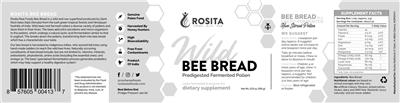 Label scan from NIH DSLD — open full size
| Ingredient | Amount | % DV% Daily Value — how much of the recommended daily intake one serving provides, based on a 2,000 calorie diet. 100% = full daily need. Values over 100% are common for water-soluble vitamins (B, C) and generally safe. Values over 200% are highlighted. |
|---|---|---|
| Calories | 15 Calorie(s) | — |
| Vitamin E | 0.5 IU | 2% |
| Folate | 8 mcg | 2% |
| Iron | 0.5 mg | 3% |
| Magnesium | 9 mg | 2% |
| Zinc | 0.4 mg | 4% |
| Copper | 40 mcg | 4% |
| Manganese | 0.3 mg | 14% |
| Omega-3 Fatty Acids | 60 mg | — |
| Omega-6 Fatty Acids | 100 mg | — |
| Lactic Acid | 86 mg | — |
| Polyphenols | 84 mg | — |
| Flavonoids | 40 mg |
Other ingredients: Bee Bread
Score Breakdown
Dosage TransparencyAre all ingredient amounts explicitly listed on the label? Are %DV values provided where applicable? This measures transparency of dosing, not clinical efficacy.17/35
Label TransparencyHow complete is the labeling? Checks serving info, dietary certifications, and whether any doses are hidden behind proprietary blends.23/25
Formulation CleanlinessHow clean are the inactive ingredients? Penalizes artificial colors, sweeteners, titanium dioxide. Rewards vegan, gluten-free, organic.25/25
Ingredient ProfileFormula composition signals: focused vs comprehensive, use of branded/patented forms (KSM-66, Albion, etc.), explicit dosing.8/15
This score evaluates label quality — dosage disclosure, transparency, cleanliness of inactive ingredients, and formula composition. It does not measure clinical efficacy, bioavailability, or third-party testing. Read full methodology
Better-scored alternatives
Products with overlapping ingredients and a higher SupplementScore. Based on dosage transparency, label cleanliness, and formula quality.
General Ingredient Research — not an evaluation of this product
The research summaries below are about the ingredients in general, drawn from published studies that often use different doses, forms, and populations than this product. A "strong" evidence rating for an ingredient does not mean this product will produce that effect — studied doses may be significantly higher or lower than what is contained here. Always verify doses against the Supplement Facts table above.
strong
Supports immune function
Zinc is a cofactor for over 300 enzymes involved in immune cell development and function. Supplementation may reduce duration of common cold symptoms, particularly as lozenges. Essential for maintaining immune barrier integrity.
strong
Supports wound healing
Essential for skin integrity and wound repair processes.
moderate
Supports sleep quality
May improve sleep quality, especially in older adults and those with low magnesium status.
strong
Supports bone health
60% of body magnesium is stored in bone. Essential for bone mineralization.
moderate
Supports muscle recovery
May reduce muscle cramps and support post-exercise recovery.
strong
Prevents neural tube defects
Adequate folate intake before and during early pregnancy reduces risk of neural tube defects. This is one of the most well-established findings in nutrition.
Reviews (0)
No reviews yet — be the first.
Taken Wild Bee Bread? Your experience helps others decide. It takes about a minute.
All scores are algorithmically generated from publicly available label data (NIH Dietary Supplement Label Database) and reflect label quality — not clinical efficacy, safety, or product quality. This page is not affiliated with or endorsed by Rosita. If you represent this brand and believe any information is inaccurate, please contact us for a correction. Read full methodology