General Ingredient Research — not an evaluation of this product
The research summaries below are about the ingredients in general, drawn from published studies that often use different doses, forms, and populations than this product. A "strong" evidence rating for an ingredient does not mean this product will produce that effect — studied doses may be significantly higher or lower than what is contained here. Always verify doses against the Supplement Facts table above.
strongSupports immune functionZinc is a cofactor for over 300 enzymes involved in immune cell development and function. Supplementation may reduce duration of common cold symptoms, particularly as lozenges. Essential for maintaining immune barrier integrity.
strongSupports wound healingEssential for skin integrity and wound repair processes.
strongPrevents neural tube defectsAdequate folate intake before and during early pregnancy reduces risk of neural tube defects. This is one of the most well-established findings in nutrition.
strongSupports DNA synthesisEssential cofactor for nucleotide synthesis and cell division.
strongSupports red blood cell formationEssential for red blood cell formation. Deficiency causes megaloblastic anemia, confirmed by decades of clinical evidence.
strongSupports neurological functionInvolved in myelin synthesis and nerve function. Adequate B12 status supports neurological health, particularly in older adults and vegans.
moderateSupports energy metabolismCofactor in energy production pathways, but supplementation only helps if deficient.
weakSupports hair and nail growthLimited evidence. May help in cases of biotin deficiency but most people get adequate amounts from diet.
strongSupports metabolic functionEssential cofactor for carboxylases involved in gluconeogenesis, fatty acid synthesis, and amino acid catabolism.
strongSupports iron levelsIron supplementation is used to address iron deficiency. Should be taken under medical supervision as excess iron can be harmful.
strongSupports energy levelsIron is essential for oxygen transport and cellular energy production.
strongSupports bone healthEssential for calcium absorption. Deficiency leads to rickets in children and osteomalacia in adults — a well-established causal relationship.
moderateSupports immune functionMay reduce risk of respiratory infections. Active area of research.
weakMay improve moodSome association between low vitamin D levels and depression, but evidence is inconsistent.
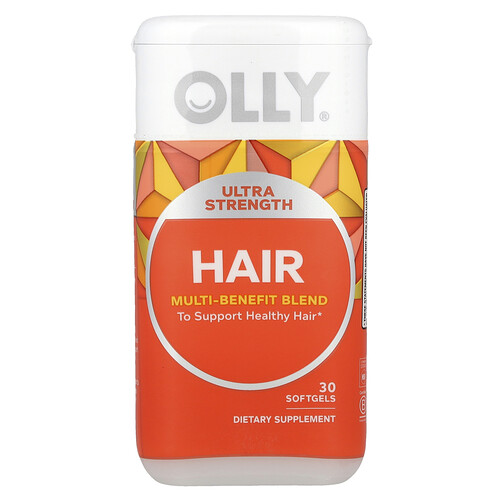
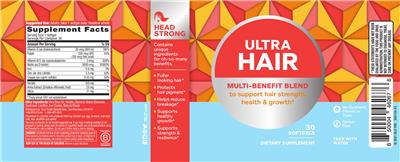 Label scan from NIH DSLD — open full size