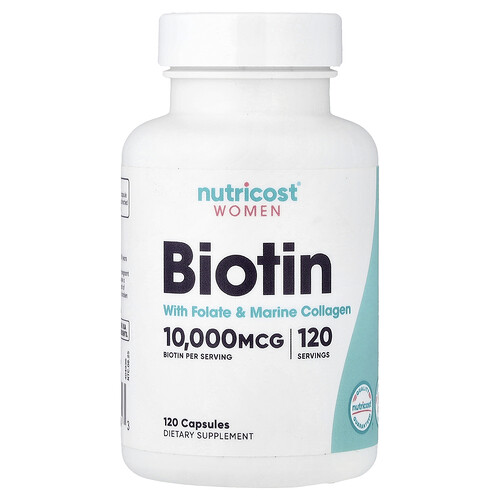
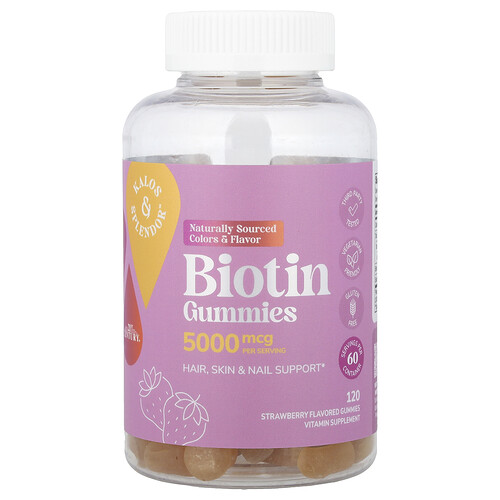
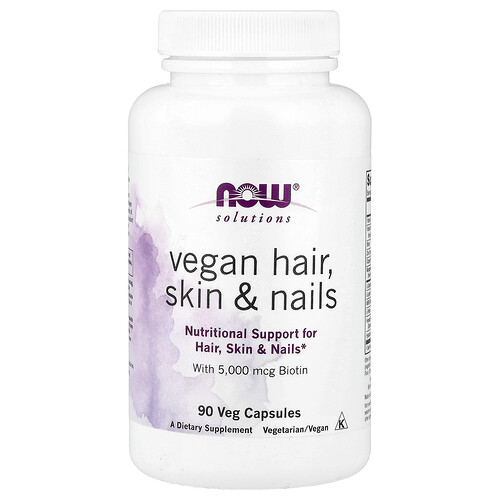
Scores 30/35 for dosage transparency, 25/25 for a clean formula, 25/25 for label completeness. 1 ingredient disclosed with amounts.
capsule · 30 servings · $0.20/servingBuy on iHerb$6.00
Ranking
Biotin is sold almost entirely for hair, skin and nails, in doses hundreds of times above the Daily Value. For most people with a normal diet the evidence for those benefits is thin, and very high doses have a documented downside: they interfere with common blood tests. The ranking rewards products that state the dose plainly and keep the formula short.
This ranking covers every biotin product in the NIH label database.
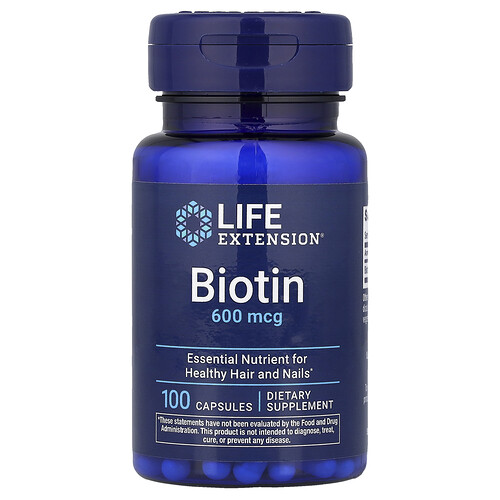
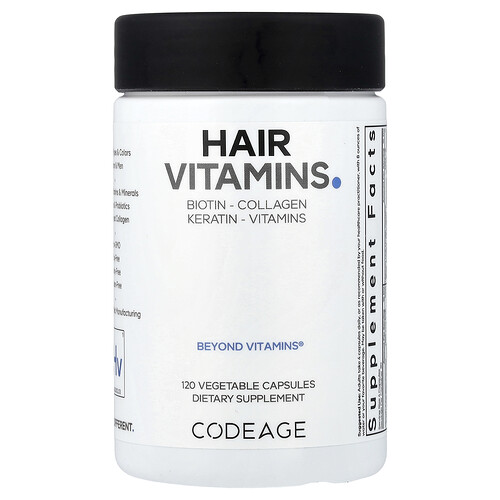
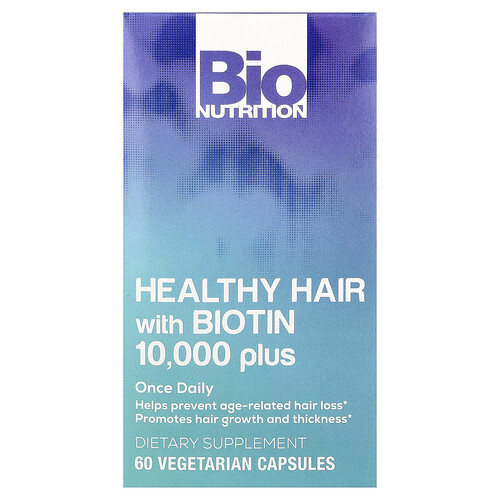
Scores 30/35 for dosage transparency, 25/25 for a clean formula, 25/25 for label completeness. 1 ingredient disclosed with amounts.
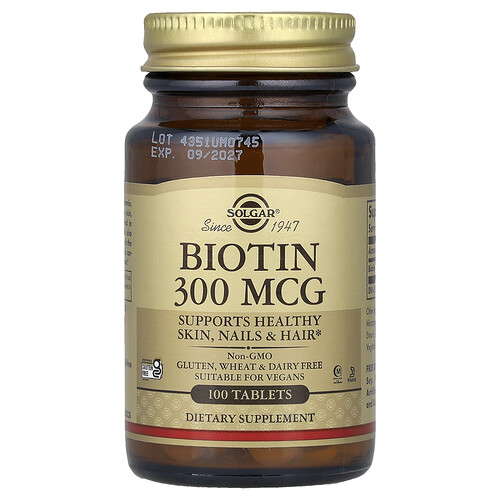
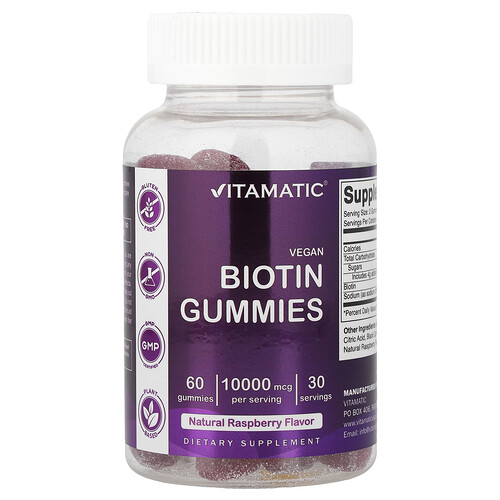
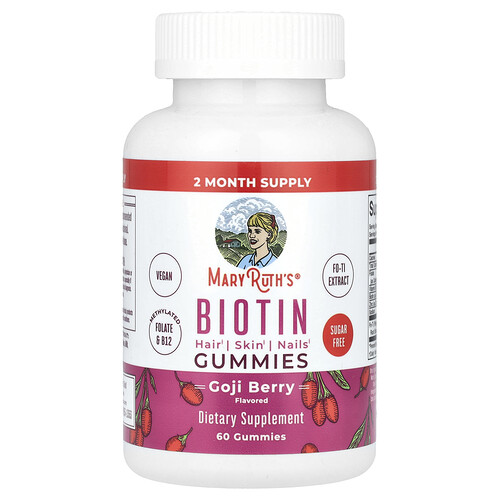
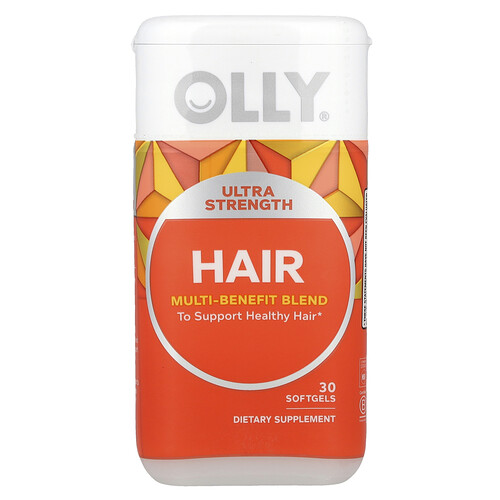
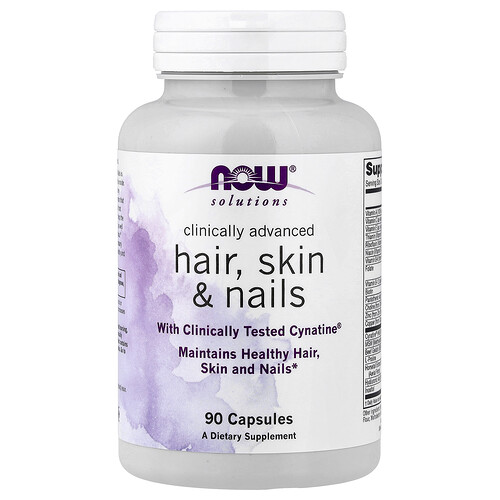
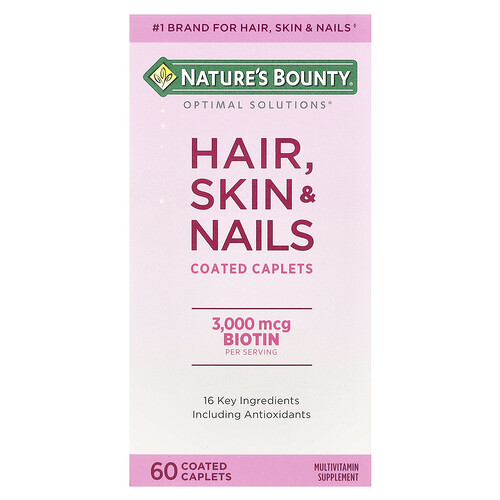
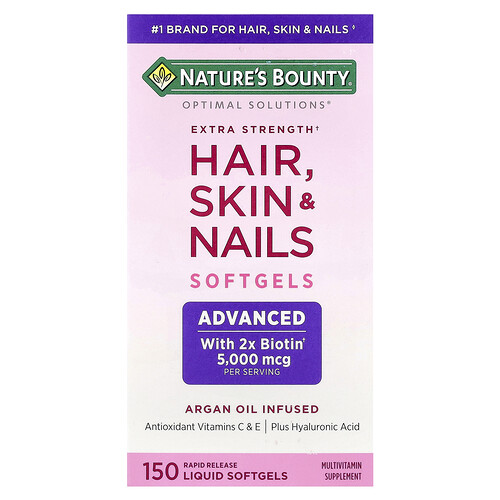
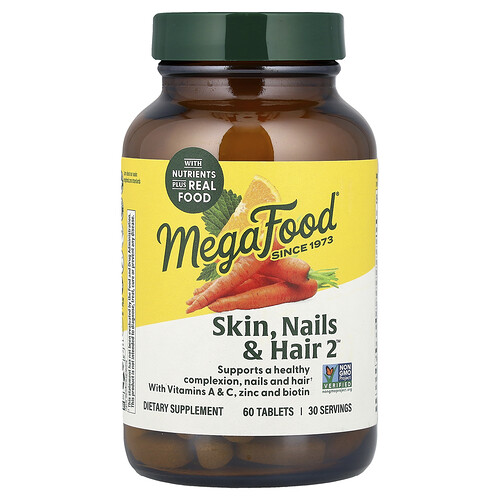
Scores 23/35 for dosage transparency, 25/25 for a clean formula, 24/25 for label completeness. 8 ingredients disclosed with amounts.
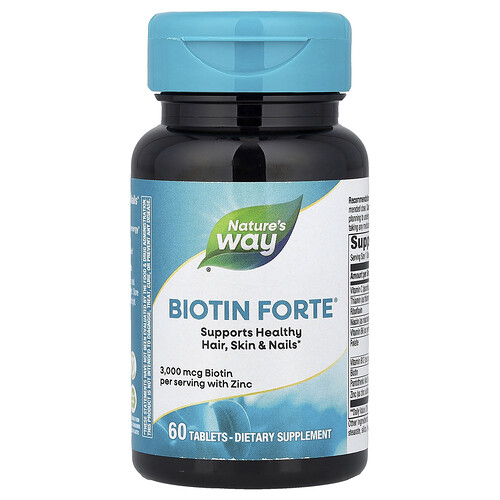
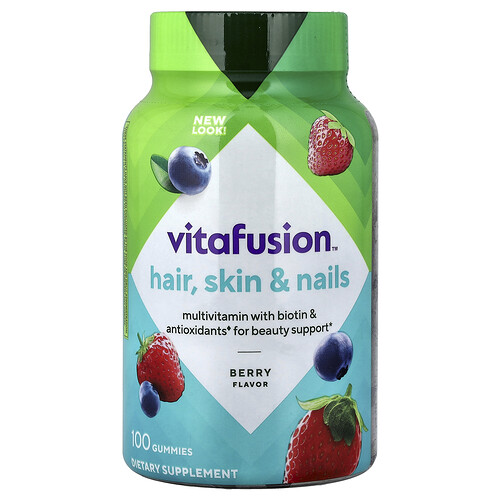
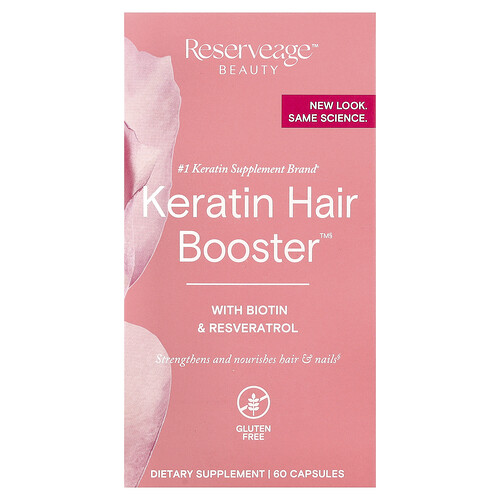
Scores 23/35 for dosage transparency, 25/25 for a clean formula, 24/25 for label completeness. 8 ingredients disclosed with amounts.
Every product is scored 0–100 from its label data in the NIH Dietary Supplement Label Database: dosage transparency (35 points - are amounts stated per ingredient, or hidden in a proprietary blend?), label completeness (25), formulation cleanliness (25 - fillers, dyes, titanium dioxide and other non-active ingredients) and ingredient profile (15). The Top 10 admits only products scoring 60 or higher; among those, products with a verified retail listing are shown first so the list is one you can act on. No brand can pay to be included or moved up.
The Daily Value is 30 mcg; most supplements provide 5,000–10,000 mcg (5–10 mg). There is no upper limit, and excess is excreted. Doses above about 5 mg can distort thyroid, troponin and other lab tests, stop biotin 2–3 days before blood work and tell your clinician.
People with a diagnosed biotin deficiency (rare), those on long-term anticonvulsants, and anyone choosing to try it for brittle nails, where small studies show some support.
Marketing claims for hair growth in people without deficiency, blends with undisclosed amounts, and taking high doses right before medical tests.
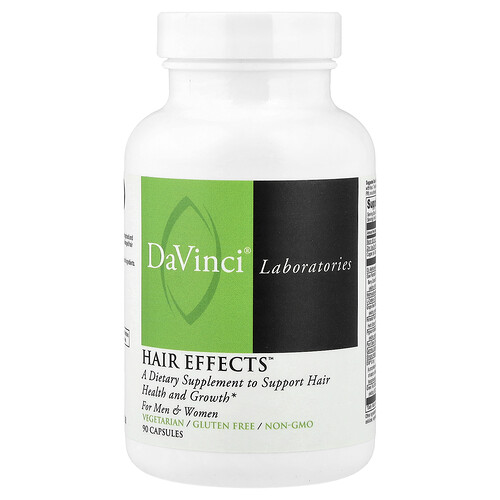
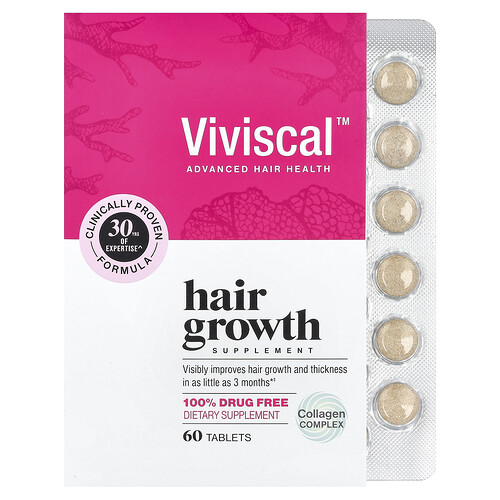
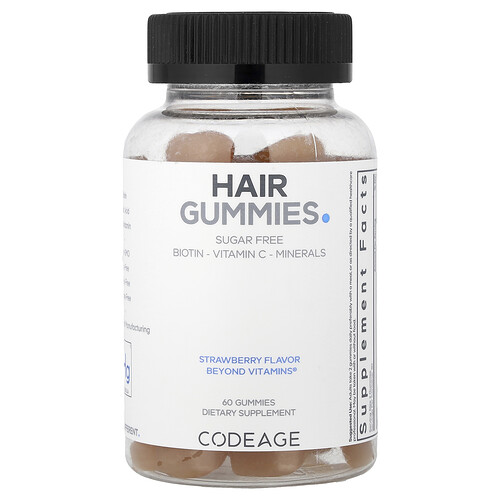
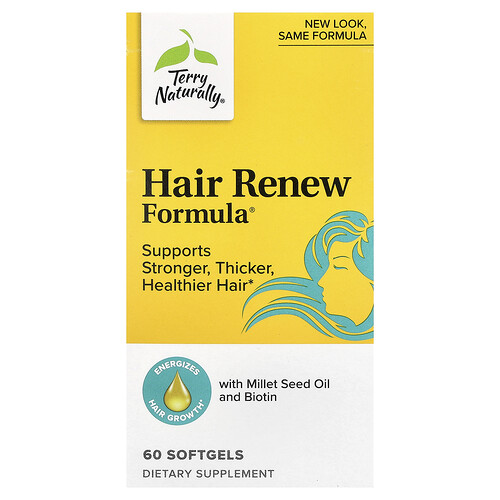
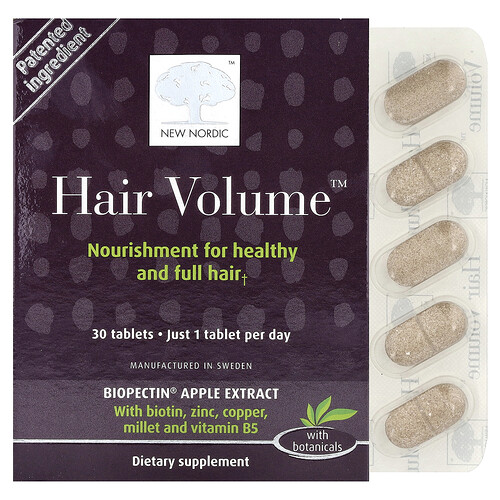
In people with a deficiency, yes. In the general population, controlled evidence is limited. Brittle nails have slightly better support. The ranking scores labels, not these claims.
No toxicity has been documented at that dose, but it is enough to interfere with several blood tests, including those used to diagnose heart attacks. The practical rule is to pause it before lab work.
Products are ranked by SupplementScore, which evaluates label quality across four categories: dosage transparency (35 pts), label completeness (25 pts), formulation cleanliness (25 pts), and ingredient profile (15 pts). The score is based on data from the NIH Dietary Supplement Label Database, not marketing claims.
No. The SupplementScore measures label quality, how transparent, clean, and well-documented a product is. It does not measure clinical efficacy, bioavailability, or third-party testing. A higher score means better label practices, not guaranteed results.
We analyzed 881 biotin products from the NIH DSLD database, which contains label data for over 116,000 dietary supplements sold in the United States.
This article is for information only and is not medical advice. Talk to a clinician before starting a supplement, especially if you are pregnant, take medication or have a health condition.
Buy links are affiliate links - we may earn a commission at no extra cost to you. Prices from the iHerb catalog feed and may change.
Rankings reflect label quality scores (dosage transparency, cleanliness, ingredient profile) - not clinical efficacy. Read methodology