General Ingredient Research — not an evaluation of this product
The research summaries below are about the ingredients in general, drawn from published studies that often use different doses, forms, and populations than this product. A "strong" evidence rating for an ingredient does not mean this product will produce that effect — studied doses may be significantly higher or lower than what is contained here. Always verify doses against the Supplement Facts table above.
strongSupports vision healthEssential for rhodopsin production in the retina. Deficiency causes night blindness — one of the earliest recognized nutritional deficiencies.
strongSupports immune functionCritical role in maintaining mucosal barriers and immune cell function.
strongSupports immune functionZinc is a cofactor for over 300 enzymes involved in immune cell development and function. Supplementation may reduce duration of common cold symptoms, particularly as lozenges. Essential for maintaining immune barrier integrity.
strongSupports wound healingEssential for skin integrity and wound repair processes.
strongSupports immune functionSupports immune cell function. Regular supplementation may modestly reduce cold duration, but does not prevent colds.
strongAntioxidant protectionPotent water-soluble antioxidant that protects cells from oxidative damage.
strongSupports collagen synthesisEssential cofactor for enzymes involved in collagen production.
strongAntioxidant protectionProtects polyunsaturated fatty acids in cell membranes from oxidation.
moderateSupports skin healthMay help protect skin from UV damage when combined with vitamin C.
moderateMay help prevent migrainesAt 400mg/day (far above RDA of 1.3mg), riboflavin may reduce migraine frequency. Effect is dose-dependent and not expected at typical supplement doses.
moderateSupports cholesterol levelsAt pharmacological doses (1500-3000mg), niacin may improve HDL cholesterol. This effect is dose-dependent and not expected at typical supplement doses.
strongSupports energy metabolismEssential coenzyme (NAD/NADP) in hundreds of metabolic reactions.
strongSupports heart healthMay support cardiovascular health by influencing triglyceride levels. Effect is dose-dependent (typically studied at 1-4g EPA+DHA/day).
strongAnti-inflammatoryEPA and DHA have anti-inflammatory properties through multiple pathways. Effects are dose-dependent, typically studied at 1-3g combined EPA+DHA/day.
moderateSupports brain healthDHA is a structural component of brain tissue. Supplementation may support cognitive health, primarily studied at 500-1000mg DHA/day in older adults.
strongSupports energy metabolismEssential cofactor for pyruvate dehydrogenase and other enzymes in carbohydrate metabolism.
strongSupports energy metabolismEssential cofactor for pyruvate dehydrogenase and other enzymes in carbohydrate metabolism.
strongSupports bone healthEssential for calcium absorption. Deficiency leads to rickets in children and osteomalacia in adults — a well-established causal relationship.
moderateSupports immune functionMay reduce risk of respiratory infections. Active area of research.
weakMay improve moodSome association between low vitamin D levels and depression, but evidence is inconsistent.
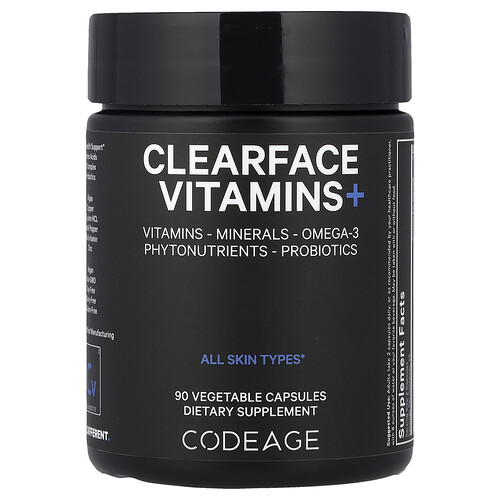
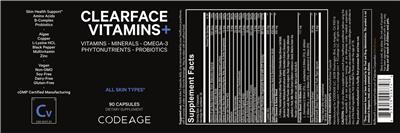 Label scan from NIH DSLD — open full size