General Ingredient Research — not an evaluation of this product
The research summaries below are about the ingredients in general, drawn from published studies that often use different doses, forms, and populations than this product. A "strong" evidence rating for an ingredient does not mean this product will produce that effect — studied doses may be significantly higher or lower than what is contained here. Always verify doses against the Supplement Facts table above.
strongSupports vision healthEssential for rhodopsin production in the retina. Deficiency causes night blindness — one of the earliest recognized nutritional deficiencies.
strongSupports immune functionCritical role in maintaining mucosal barriers and immune cell function.
strongSupports immune functionZinc is a cofactor for over 300 enzymes involved in immune cell development and function. Supplementation may reduce duration of common cold symptoms, particularly as lozenges. Essential for maintaining immune barrier integrity.
strongSupports wound healingEssential for skin integrity and wound repair processes.
strongSupports bone healthPrimary structural component of bones. Adequate lifelong intake, combined with vitamin D, helps prevent osteoporosis — supported by extensive clinical evidence.
strongSupports muscle functionEssential for muscle contraction through calcium signaling.
strongSupports immune functionSupports immune cell function. Regular supplementation may modestly reduce cold duration, but does not prevent colds.
strongAntioxidant protectionPotent water-soluble antioxidant that protects cells from oxidative damage.
strongSupports collagen synthesisEssential cofactor for enzymes involved in collagen production.
strongAntioxidant protectionProtects polyunsaturated fatty acids in cell membranes from oxidation.
moderateSupports skin healthMay help protect skin from UV damage when combined with vitamin C.
strongAnti-inflammatoryCurcumin has anti-inflammatory properties in clinical studies, though bioavailability is low without enhanced formulations (piperine, liposomal, etc.).
moderateSupports joint healthCurcumin may reduce joint pain and inflammation in osteoarthritis. Effects depend on bioavailability — enhanced forms (BCM-95, Meriva, piperine) show better results than standard curcumin.
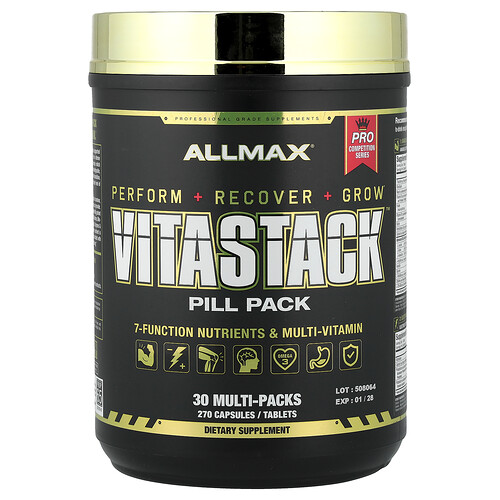
 Label scan from NIH DSLD — open full size