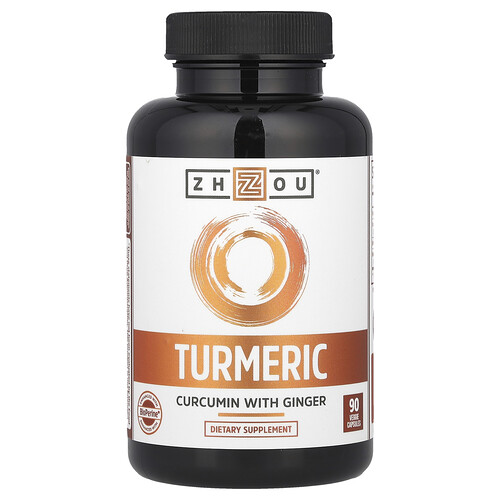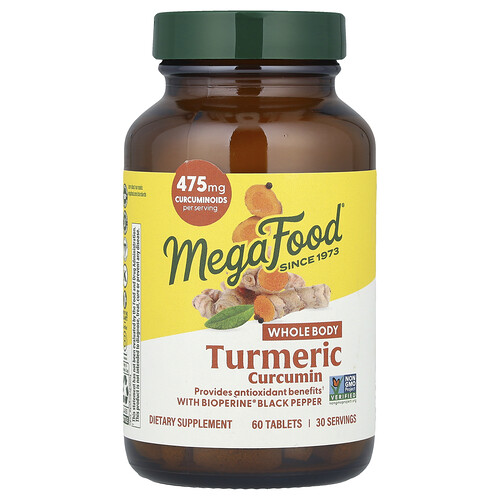
Scores 35/35 for dosage transparency, 22/25 for a clean formula, 21/25 for label completeness. 5 ingredients disclosed with amounts.
tablet · 30 servings · $0.83/servingBuy on iHerb$24.99
Turmeric is the top-selling herbal supplement in the US, and the one where the plain milligram number is most misleading: turmeric root is only 2–5% curcuminoids, and curcumin itself is poorly absorbed. The useful label states the curcuminoid content and an absorption strategy.
We ranked every turmeric and curcumin product in the NIH label database on label quality.
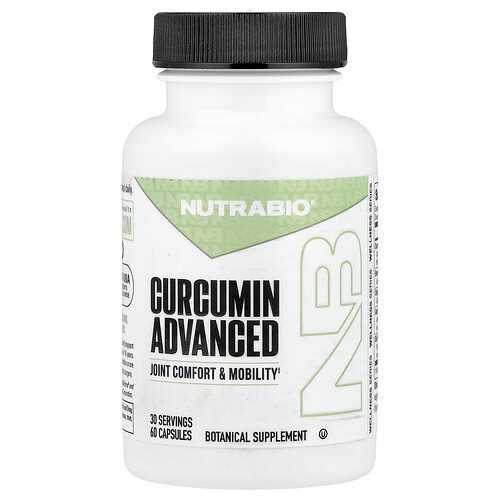
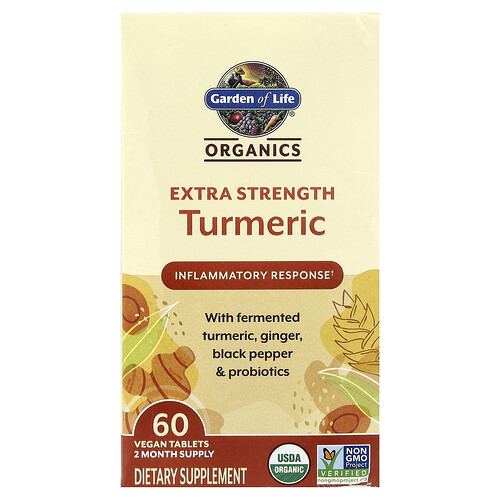
Scores 35/35 for dosage transparency, 22/25 for a clean formula, 21/25 for label completeness. 5 ingredients disclosed with amounts.
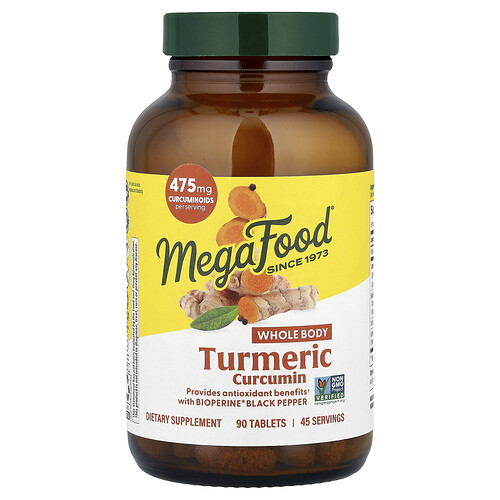
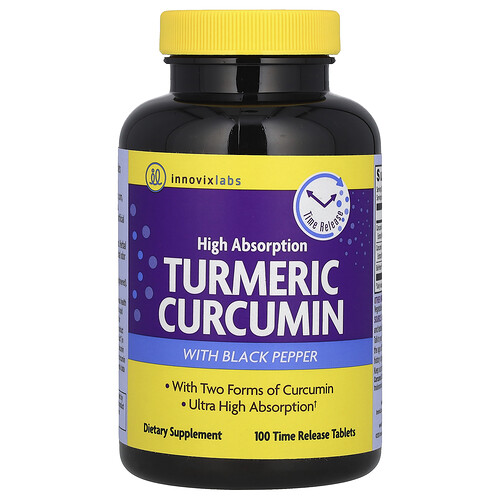
Scores 30/35 for dosage transparency, 25/25 for a clean formula, 20/25 for label completeness. 5 ingredients disclosed with amounts.
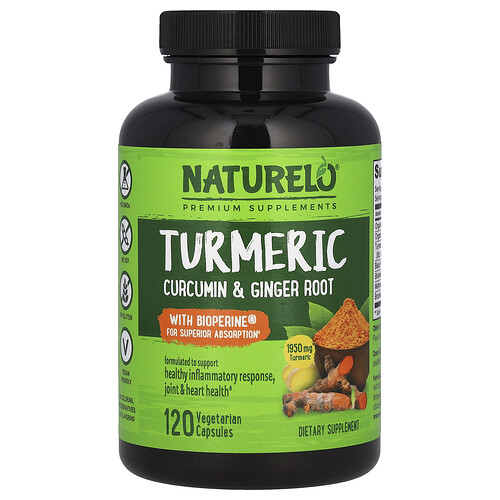
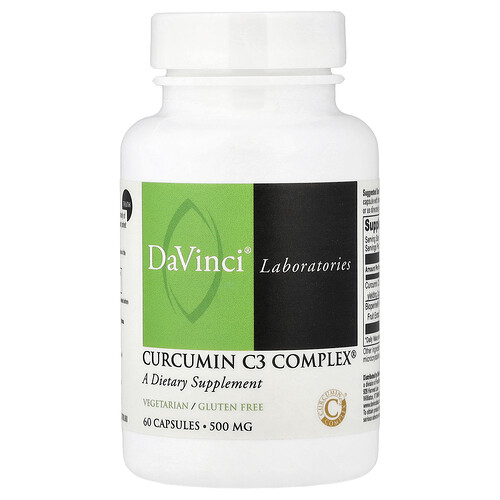
Scores 35/35 for dosage transparency, 19/25 for a clean formula, 21/25 for label completeness. 5 ingredients disclosed with amounts.
Buy links are affiliate links — we may earn a commission at no extra cost to you. Prices from the iHerb catalog feed and may change.
Rankings reflect label quality scores (dosage transparency, cleanliness, ingredient profile) — not clinical efficacy. Read methodology
Every product is scored 0–100 from its label data in the NIH Dietary Supplement Label Database: dosage transparency (35 points — are amounts stated per ingredient, or hidden in a proprietary blend?), label completeness (25), formulation cleanliness (25 — fillers, dyes, titanium dioxide and other non-active ingredients) and ingredient profile (15). The Top 10 admits only products scoring 60 or higher; among those, products with a verified retail listing are shown first so the list is one you can act on. No brand can pay to be included or moved up.
Trials commonly used 500–2,000 mg per day of a 95% curcuminoid extract, or lower amounts of an enhanced-absorption form. No NIH upper limit is set; doses up to 8 g per day have been tolerated short-term. Products listing only "turmeric 500 mg" without a curcuminoid percentage cannot be compared with extracts.
Adults interested in a well-studied anti-inflammatory botanical, typically for joint comfort.
Root powder sold at extract prices, missing curcuminoid percentages, and blends that combine turmeric with other botanicals at undisclosed amounts. People on blood thinners should check with a clinician.
Plain curcumin is poorly absorbed; piperine or a formulated delivery form (phytosome, micellar) improves it. A label with neither is not wrong, but the dose will mostly pass through.
Turmeric is the root; curcumin (with related curcuminoids) is the active fraction, about 2–5% of the root by weight. "Turmeric extract standardized to 95% curcuminoids" is mostly curcumin; "turmeric powder" is mostly fiber and starch.
Products are ranked by SupplementScore, which evaluates label quality across four categories: dosage transparency (35 pts), label completeness (25 pts), formulation cleanliness (25 pts), and ingredient profile (15 pts). The score is based on data from the NIH Dietary Supplement Label Database, not marketing claims.
No. The SupplementScore measures label quality — how transparent, clean, and well-documented a product is. It does not measure clinical efficacy, bioavailability, or third-party testing. A higher score means better label practices, not guaranteed results.
We analyzed 1,581 turmeric & curcumin products from the NIH DSLD database, which contains label data for over 116,000 dietary supplements sold in the United States.
This article is for information only and is not medical advice. Talk to a clinician before starting a supplement, especially if you are pregnant, take medication or have a health condition.