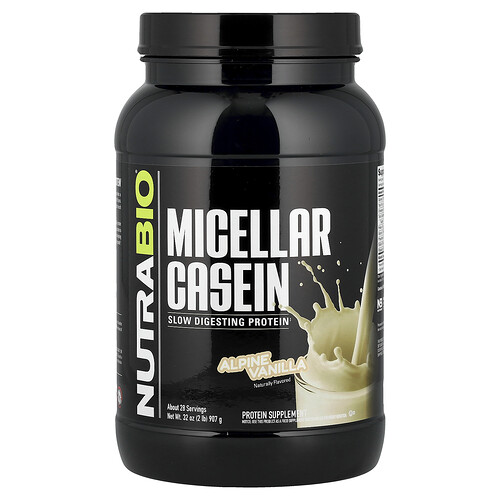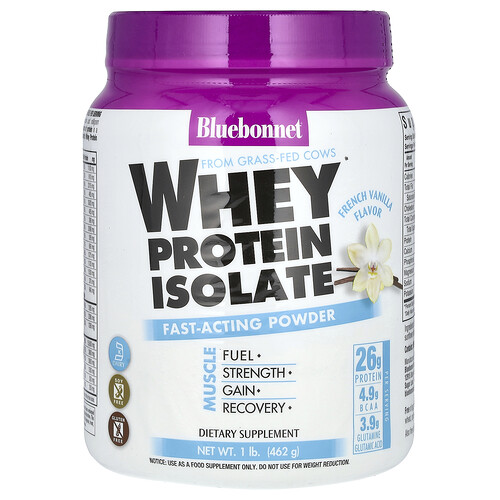
Scores 22/35 for dosage transparency, 25/25 for a clean formula, 24/25 for label completeness. 10 ingredients disclosed with amounts.
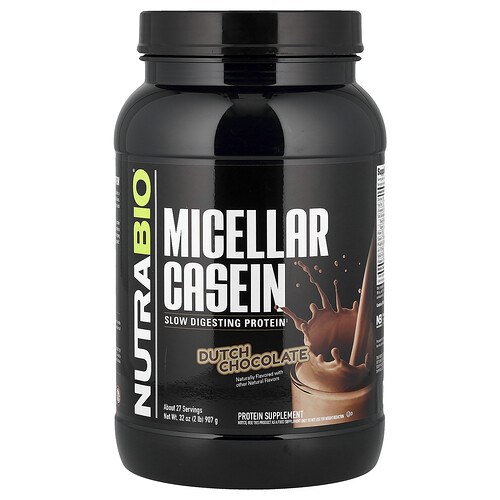
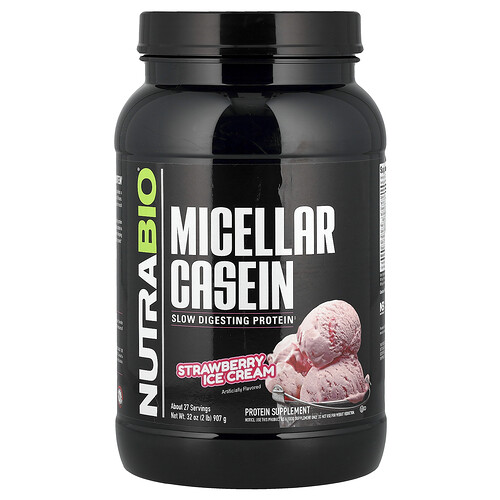
powder · 27 servings · $1.67/servingBuy on iHerb$44.99
Protein powders are the largest sports-nutrition category by sales and one of the most heavily marketed. Behind the claims, a protein product is simple to judge: how much protein per serving, from which source, and how much else is in the scoop.
This ranking covers every protein supplement in the NIH label database — whey, casein, plant blends and ready-to-drink formats — scored on label quality.
Scores 22/35 for dosage transparency, 25/25 for a clean formula, 24/25 for label completeness. 10 ingredients disclosed with amounts.
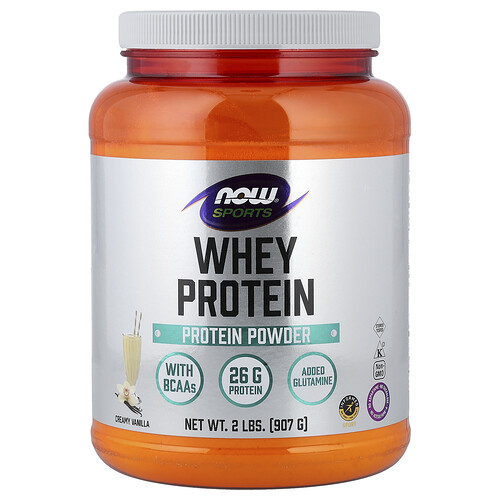
Scores 22/35 for dosage transparency, 25/25 for a clean formula, 24/25 for label completeness. 10 ingredients disclosed with amounts.
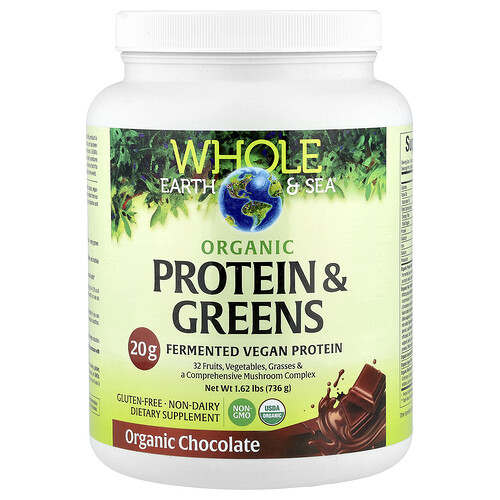
Scores 22/35 for dosage transparency, 25/25 for a clean formula, 24/25 for label completeness. 11 ingredients disclosed with amounts.
Buy links are affiliate links — we may earn a commission at no extra cost to you. Prices from the iHerb catalog feed and may change.
Rankings reflect label quality scores (dosage transparency, cleanliness, ingredient profile) — not clinical efficacy. Read methodology
Every product is scored 0–100 from its label data in the NIH Dietary Supplement Label Database: dosage transparency (35 points — are amounts stated per ingredient, or hidden in a proprietary blend?), label completeness (25), formulation cleanliness (25 — fillers, dyes, titanium dioxide and other non-active ingredients) and ingredient profile (15). The Top 10 admits only products scoring 60 or higher; among those, products with a verified retail listing are shown first so the list is one you can act on. No brand can pay to be included or moved up.
A typical serving provides 20–30 g of protein. Adults generally need 0.8 g of protein per kg of body weight per day, and 1.2–2.0 g/kg when training. Check the protein-to-serving ratio: 25 g of protein in a 30 g scoop is a lean product; 20 g in a 45 g scoop means a lot of filler, sugar or thickener.
Anyone who struggles to reach a protein target from food — athletes, older adults, people in a calorie deficit — and plant-based eaters.
"Amino spiking" (cheap amino acids like glycine or taurine counted as protein), proprietary blends that hide the ratio of isolate to concentrate, and long lists of gums, dyes and artificial sweeteners.
Only if lactose bothers you or you want the fewest calories per gram of protein. For most people, a clean concentrate at a good protein-per-scoop ratio is the better value.
Blends of pea and rice protein provide a complete amino-acid profile and perform comparably for muscle maintenance at slightly higher doses. Single-source plant powders are lower in leucine, so a larger serving is often needed.
Products are ranked by SupplementScore, which evaluates label quality across four categories: dosage transparency (35 pts), label completeness (25 pts), formulation cleanliness (25 pts), and ingredient profile (15 pts). The score is based on data from the NIH Dietary Supplement Label Database, not marketing claims.
No. The SupplementScore measures label quality — how transparent, clean, and well-documented a product is. It does not measure clinical efficacy, bioavailability, or third-party testing. A higher score means better label practices, not guaranteed results.
We analyzed 9,540 protein supplements products from the NIH DSLD database, which contains label data for over 116,000 dietary supplements sold in the United States.
This article is for information only and is not medical advice. Talk to a clinician before starting a supplement, especially if you are pregnant, take medication or have a health condition.