Scores 30/35 for dosage transparency, 25/25 for a clean formula, 24/25 for label completeness. 5 ingredients disclosed with amounts.
capsule · 100 servings · $0.16/servingBuy on iHerb$16.22
Ranking
Iron is the supplement most likely to be needed by people who don't take it and taken by people who don't need it. It is also the one mineral where the form on the label changes both absorption and side effects. A good iron product states the elemental amount and the form in plain language.
We ranked every iron product in the NIH label database by label quality.
Scores 30/35 for dosage transparency, 25/25 for a clean formula, 24/25 for label completeness. 5 ingredients disclosed with amounts.
Scores 35/35 for dosage transparency, 25/25 for a clean formula, 21/25 for label completeness. 7 ingredients disclosed with amounts.
Scores 35/35 for dosage transparency, 25/25 for a clean formula, 21/25 for label completeness. 7 ingredients disclosed with amounts.
Every product is scored 0–100 from its label data in the NIH Dietary Supplement Label Database: dosage transparency (35 points - are amounts stated per ingredient, or hidden in a proprietary blend?), label completeness (25), formulation cleanliness (25 - fillers, dyes, titanium dioxide and other non-active ingredients) and ingredient profile (15). The Top 10 admits only products scoring 60 or higher; among those, products with a verified retail listing are shown first so the list is one you can act on. No brand can pay to be included or moved up.
The RDA is 18 mg for women aged 19–50, 8 mg for men and post-menopausal women, and 27 mg in pregnancy. The NIH upper limit is 45 mg per day for adults, above which digestive effects are common. Treatment of diagnosed deficiency uses higher doses under supervision. Always read the elemental iron figure, "ferrous sulfate 325 mg" is 65 mg of iron.
People with diagnosed low ferritin or iron-deficiency anemia, menstruating women with heavy periods, pregnancy, and frequent blood donors.
Taking iron without a blood test (excess accumulates), labels without the elemental amount, and products with a "proprietary" iron source.
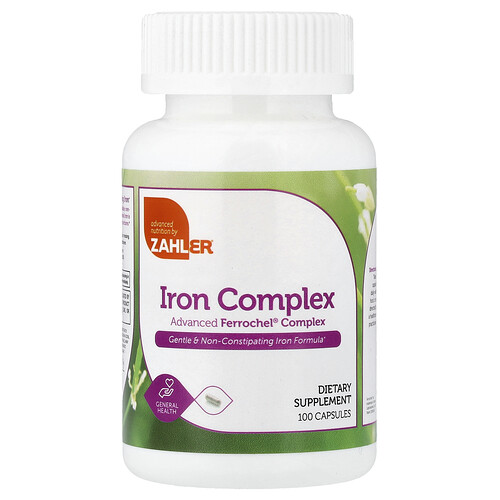
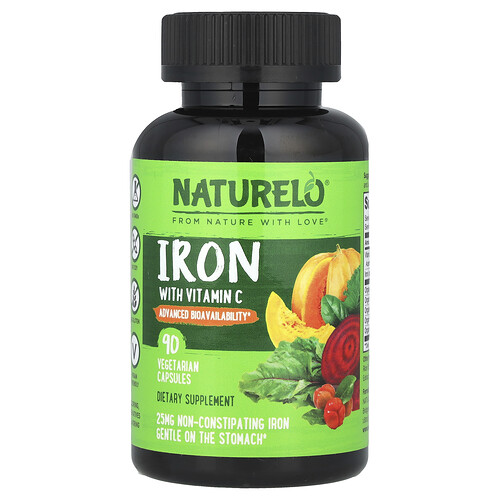
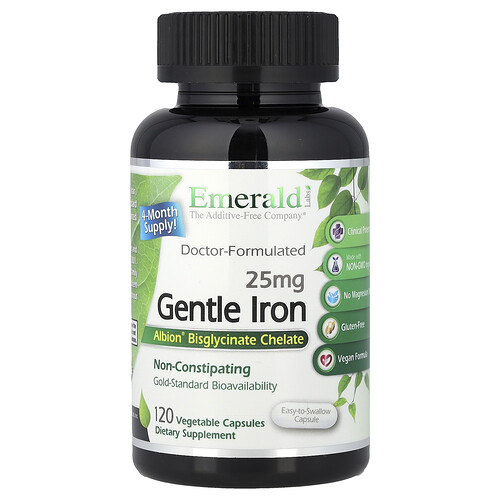
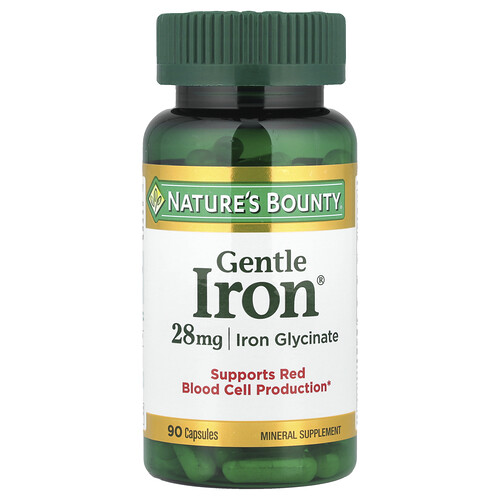
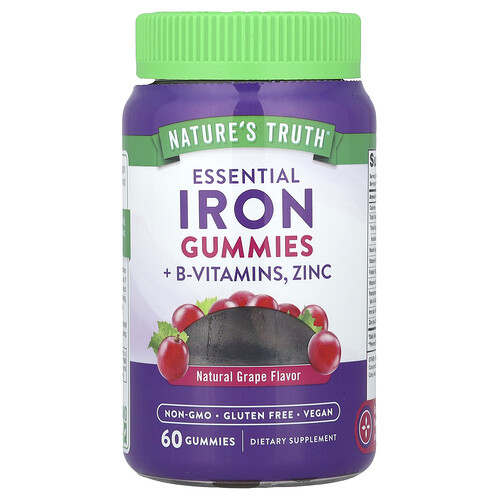
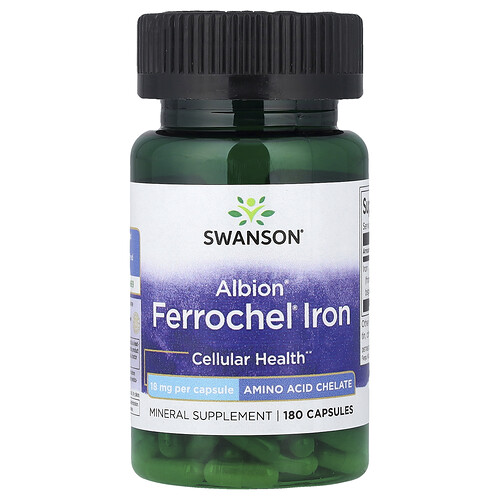
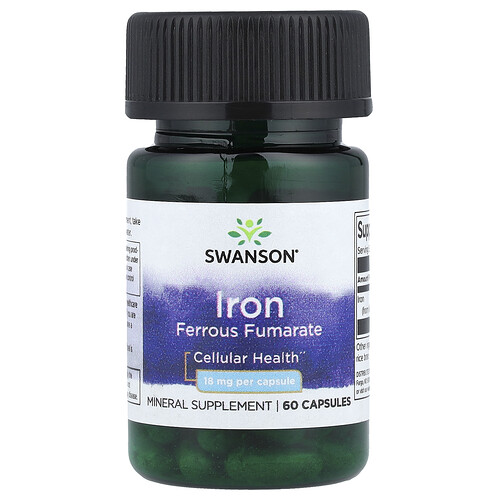
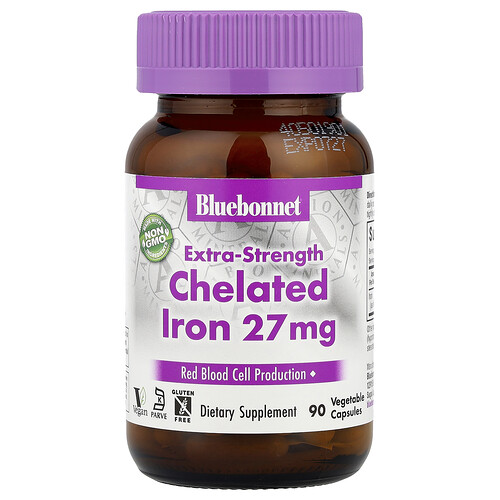

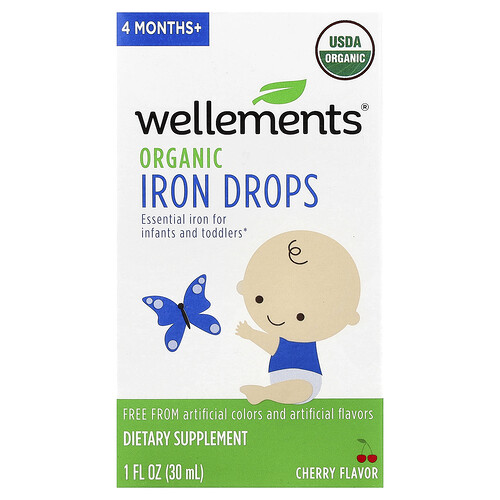
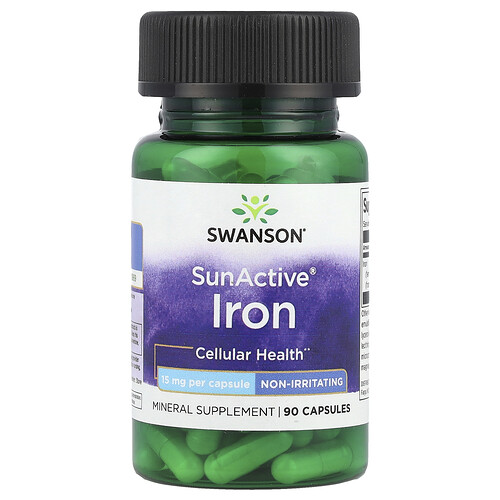
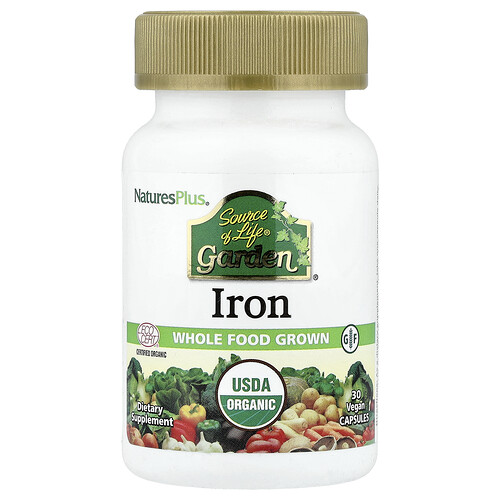
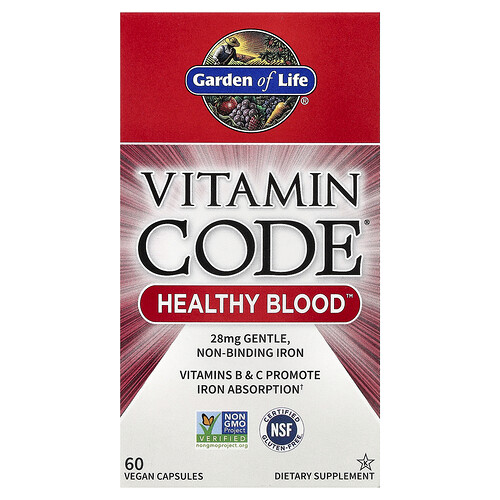
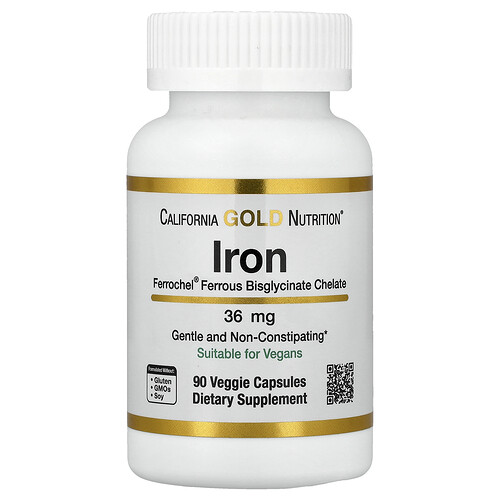
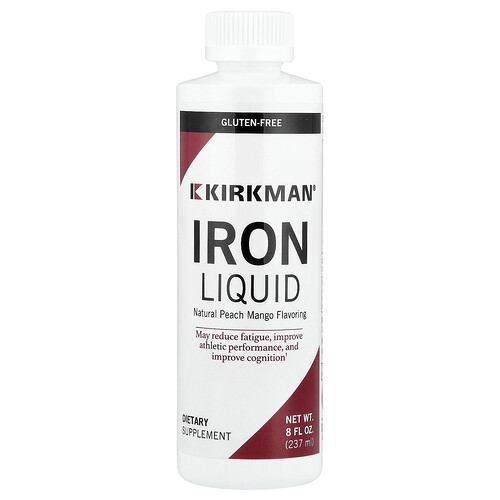
Ferrous bisglycinate is the most consistently tolerated in comparisons with ferrous sulfate, at similar absorption. Taking any form every other day, rather than daily, also reduces side effects without much loss in absorption.
Vitamin C increases non-heme iron absorption, which is why many products combine them. It is helpful but not required; a glass of orange juice does the same.
Products are ranked by SupplementScore, which evaluates label quality across four categories: dosage transparency (35 pts), label completeness (25 pts), formulation cleanliness (25 pts), and ingredient profile (15 pts). The score is based on data from the NIH Dietary Supplement Label Database, not marketing claims.
No. The SupplementScore measures label quality, how transparent, clean, and well-documented a product is. It does not measure clinical efficacy, bioavailability, or third-party testing. A higher score means better label practices, not guaranteed results.
We analyzed 614 iron products from the NIH DSLD database, which contains label data for over 116,000 dietary supplements sold in the United States.
This article is for information only and is not medical advice. Talk to a clinician before starting a supplement, especially if you are pregnant, take medication or have a health condition.
Buy links are affiliate links - we may earn a commission at no extra cost to you. Prices from the iHerb catalog feed and may change.
Rankings reflect label quality scores (dosage transparency, cleanliness, ingredient profile) - not clinical efficacy. Read methodology